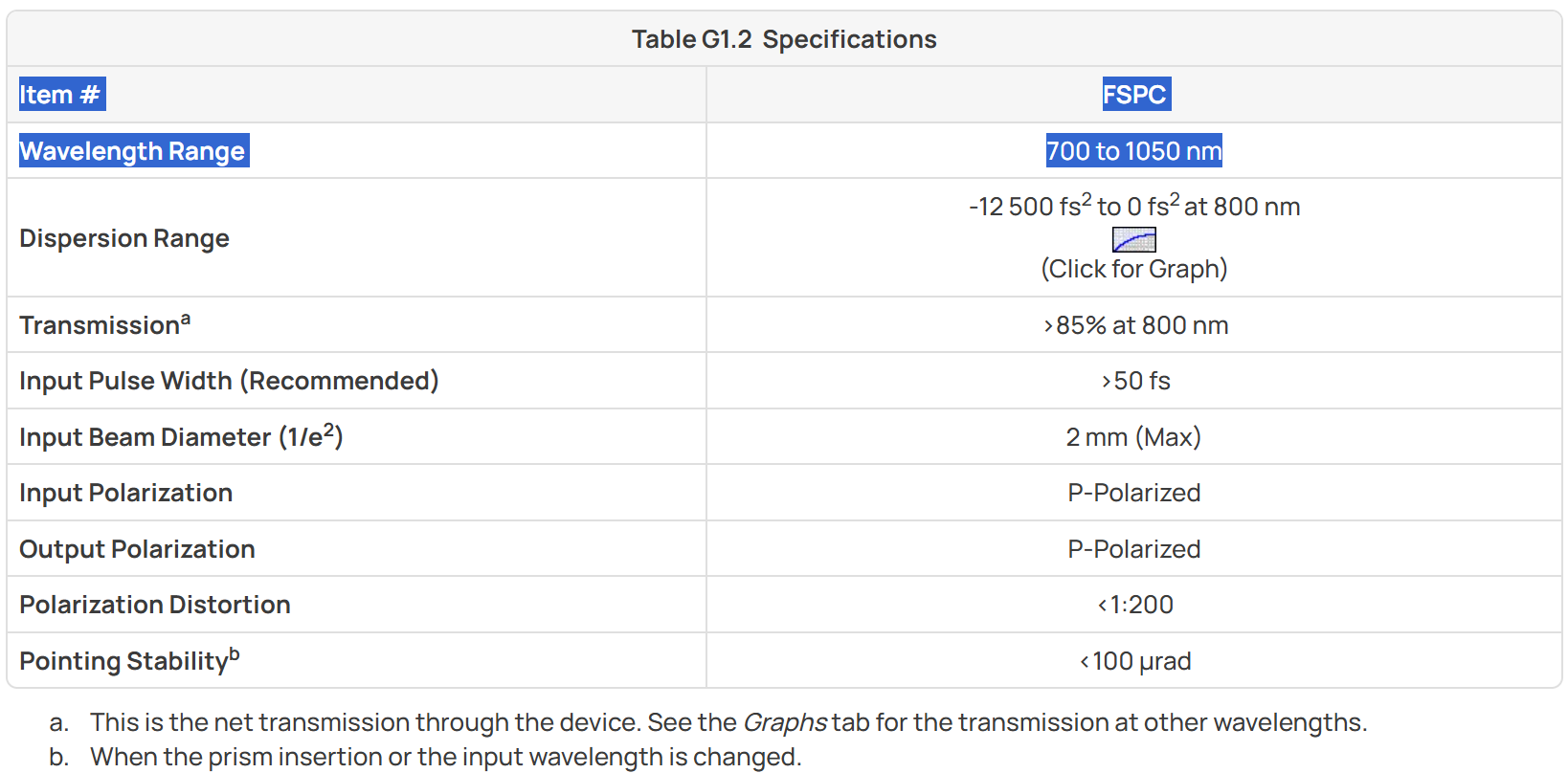
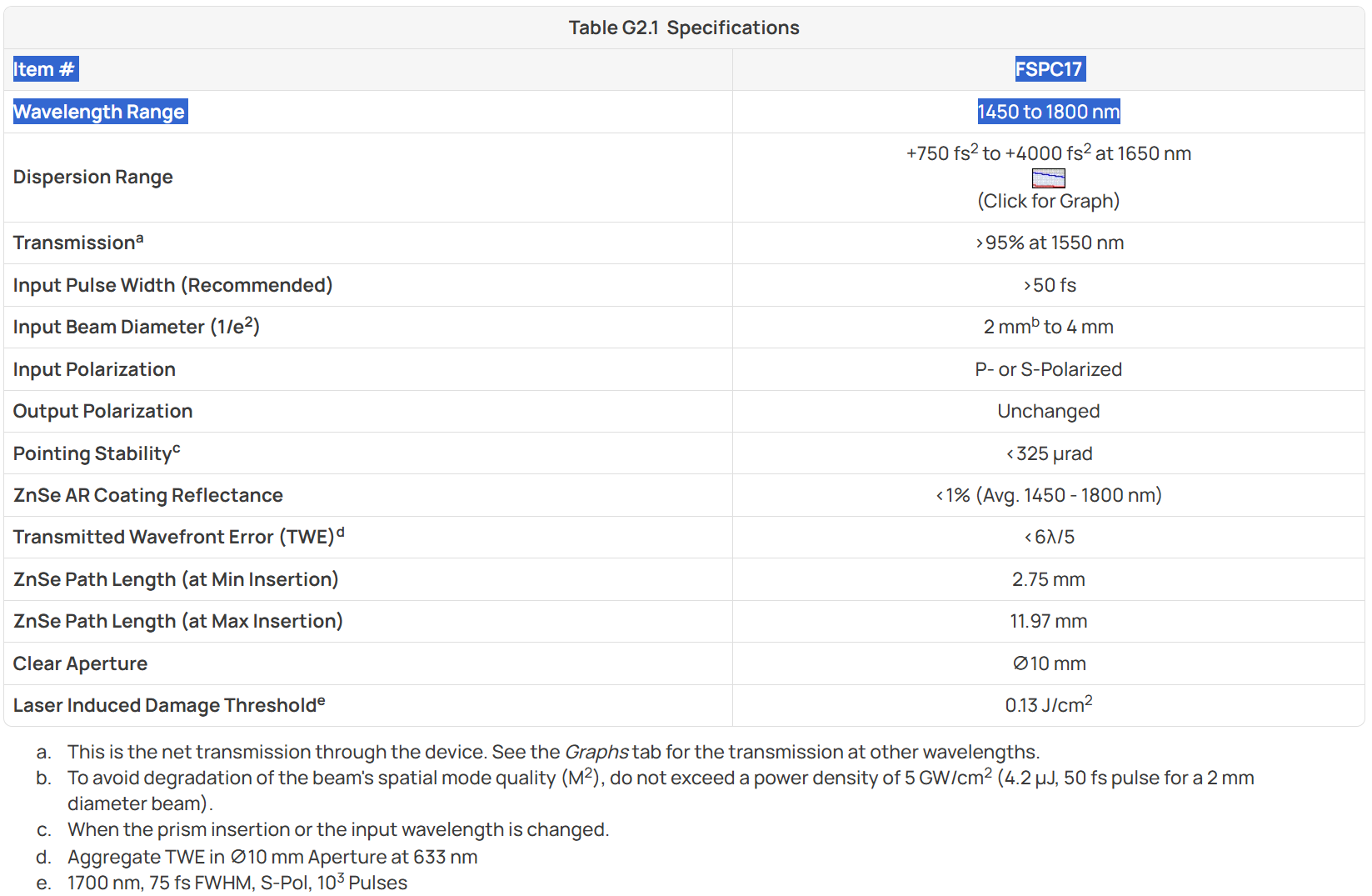
- Adjustable Compensation for Wavelengths from 700 to 1050 nm or 1450 to 1800 nm
Thorlabs' Femtosecond Pulse Compressors help correct for the pulse width broadening that occurs in multiphoton microscopes. As shown by the sample images in Figure 1.1, pulse width broadening can lead to significantly decreased image contrast in multiphoton microscopy.
Multiphoton microscopes like Thorlabs' Bergamo® III rely upon femtosecond lasers that emit near-infrared pulses with durations of roughly 100 fs. In order to be short in duration, the pulses consist of a broad range of wavelengths.
Ideally, the pulse width at the sample would be as short as the pulse emitted by the laser. However, when propagating through the optical elements in the microscope (such as fluorescence filters, dichroic mirrors, scan lenses, and objectives*), the pulse width broadens: each wavelength travels at a different velocity because the glasses' indices of refraction vary as a function of wavelength. In contrast, when propagating through air, the pulse width is conserved: all wavelengths within the pulse effectively travel together because air's index of refraction is relatively constant as a function of wavelength.
This broadening phenomenon, known as group delay dispersion (GDD), is detailed in the Group Delay tab. The femtosecond pulse compressors compensate for GDD imparted by the microscope on the laser pulse, ensuring that the pulse arriving at the sample is as short as possible, thereby maintaining high contrast. Typically, negative GDD compensation is needed for multiphoton excitation pulses below 1500 nm and positive GDD compensation is needed for pulses above 1500 nm.